Loading...
Travel BlogJuly 8, 2026 (Edited)
10 Best Things to Do in Kyoto, Japan (2026) | Travel Blog
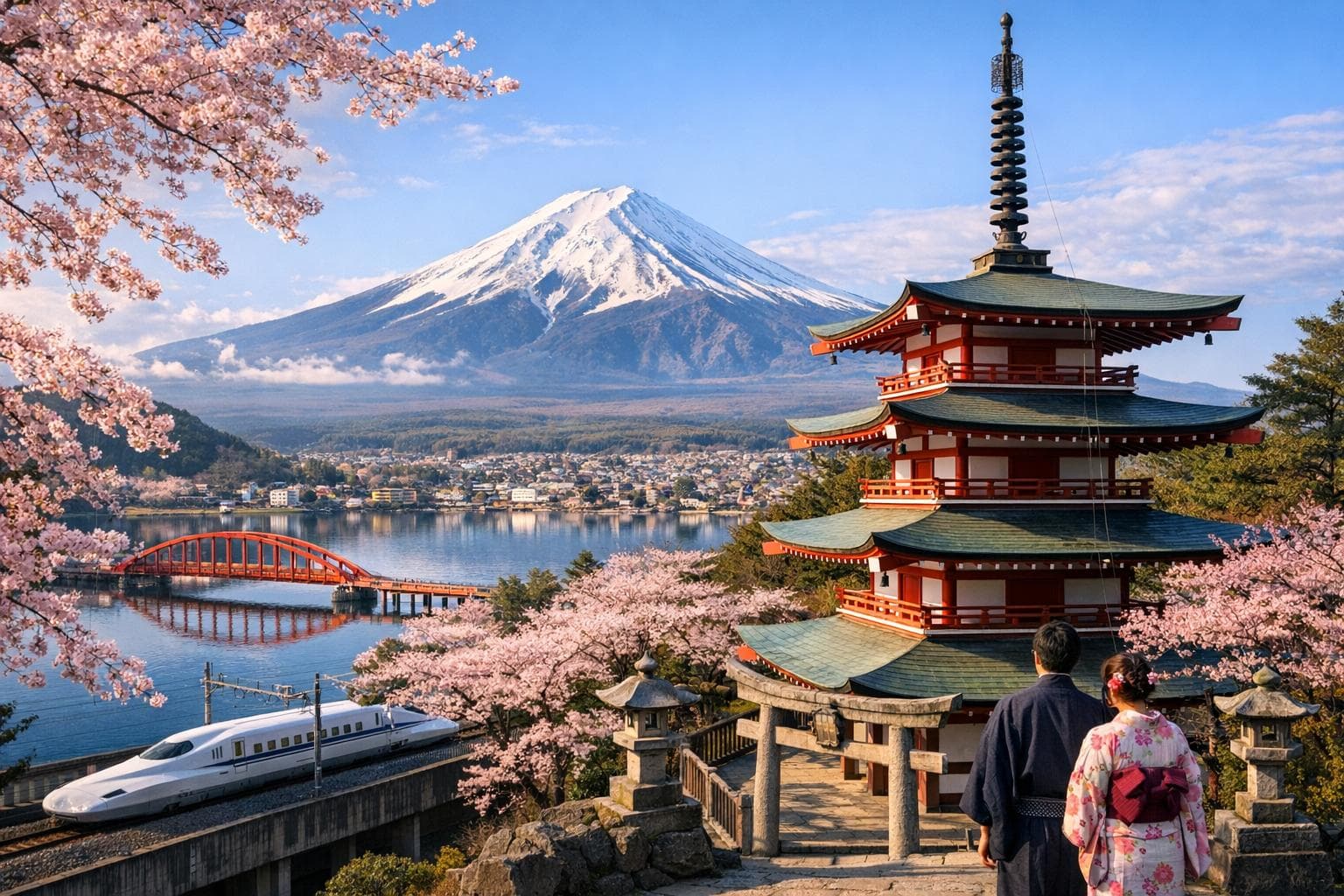
10 Best Things to Do in Kyoto, Japan (With Tips to Skip Crowds)
10 Best Things to Do in Kyoto, Japan
Kyoto was Japan's capital for over a thousand years, and it still feels like it — over 1,600 Buddhist temples and 400 Shinto shrines are packed into a city that moves at a walking pace. Here are the ten experiences that make Kyoto worth the trip, in the order I'd actually do them.
1. Walk the gates at Fushimi Inari Taisha
This is the image everyone pictures before they even land in Japan: thousands of vermilion torii gates climbing a forested mountainside, donated over centuries by businesses hoping for good fortune. It's free and open 24 hours. Most visitors turn back after the first twenty minutes — push on and the crowds thin out fast.
Tip: Arrive at sunrise. You'll have the gates almost entirely to yourself.
2. Get lost in the Arashiyama Bamboo Grove
A short path through towering bamboo that bends and creaks overhead, filtering sunlight into a green haze. It only takes fifteen minutes to walk, so pair it with the nearby Tenryu-ji temple garden and the Togetsukyo Bridge.
3. See the reflection at Kinkaku-ji (the Golden Pavilion)
A Zen temple covered entirely in gold leaf, mirrored perfectly in the pond in front of it. You can't go inside, and the visit takes under an hour, but the view is one of the most photographed in Japan for good reason.
4. Climb up to Kiyomizu-dera
A wooden temple built into a hillside on stilts, with a large veranda overlooking the city, constructed without a single nail. The approach through Sannenzaka and Ninenzaka — two preserved, sloped streets lined with traditional shops — is just as memorable as the temple itself.
5. Wander Gion at lantern-lighting time
Kyoto's most famous geisha district, where stone streets and wooden machiya houses look almost unchanged from a century ago. Walk here in the early evening for a chance of spotting a geiko or maiko on her way to an appointment.
Etiquette: Never stop or photograph a geiko or maiko without permission — it's restricted in the private alleys, and Kyoto has fined tourists for it.
6. Eat your way through Nishiki Market
A narrow, covered market street nicknamed "Kyoto's Kitchen," lined with stalls selling pickles, skewered seafood, matcha sweets, and hand-forged kitchen knives. It's the fastest, most delicious way to sample Kyoto's food culture.
7. Take a slow walk down the Philosopher's Path
A canal-side walking path connecting Ginkaku-ji (the Silver Pavilion) to Nanzen-ji temple, named for a philosophy professor who used it for daily meditation walks. Lined with cherry trees, it's stunning in spring and quietly pleasant the rest of the year.
8. Sit down for a kaiseki meal
Kaiseki is Kyoto's signature dining experience — a multi-course, seasonally driven tasting menu shaped by centuries of temple cooking and imperial cuisine. It isn't cheap, but it's worth budgeting one night for.
9. Day-trip to Uji for matcha
Just twenty minutes from Kyoto by train, Uji is considered the birthplace of Japanese matcha and home to Byodo-in, the temple pictured on the 10-yen coin. Between the tea houses and riverside views, it's one of the best half-day trips from the city.
10. End the night in Pontocho
A narrow, lantern-strung alley along the Kamo River, packed with restaurants ranging from tiny yakitori counters to upscale kaiseki. In summer, many set up riverside platforms called kawadoko — some of the best seats in the city on a warm evening.
Quick Planning Notes
Give yourself at least three full days to hit this list without rushing — four or five if you want to add Uji or Nara. Buses cover most sights, but a day pass is worth it if you're making three or more trips in a day. Carry cash, since many smaller restaurants and shrines are cash-only. If you're chasing cherry blossoms or autumn colors, book accommodation four to six months ahead.
FAQ
What is Kyoto best known for?
Its temples and shrines, especially Fushimi Inari's torii gates and the gold-leafed Kinkaku-ji, as well as its geisha districts, seasonal cherry blossoms and autumn foliage, and refined kaiseki cuisine.
Can you do Kyoto's highlights in one day?
You can hit two or three major sights, but rushing Kyoto misses the point. Three days is the minimum for a satisfying first visit.
Is Fushimi Inari worth visiting early in the morning?
Yes — it's open 24 hours and free, and sunrise is the only realistic way to photograph the gates without heavy crowds.